Plant Fertilizers: The Right Choice for Healthy Growth and High Yield
One of the fundamental ways to achieve sustainable yields in agriculture is to provide the plant with the necessary nutrients in a timely and accurate manner. In this regard, plant fertilizers are essential tools that replenish the soil's deficient nutrients and support the healthy development of plants. Plant fertilizers used in modern production are a factor that directly affects agricultural success.
What is Plant Fertilizer?
Plant fertilizers are supplementary products that provide plants with macroelements such as nitrogen (N), phosphorus (P), and potassium (K), as well as microelements such as zinc, iron, and manganese, which are not naturally present in sufficient quantities in the soil. Without these nutrients, plant growth slows down, and product yield and quality decrease.
Basic Types of Plant Fertilizers
Plant fertilizers used in agriculture are divided into different groups according to their content, application methods, and mechanisms of action:
1. Chemical (Mineral) Fertilizers
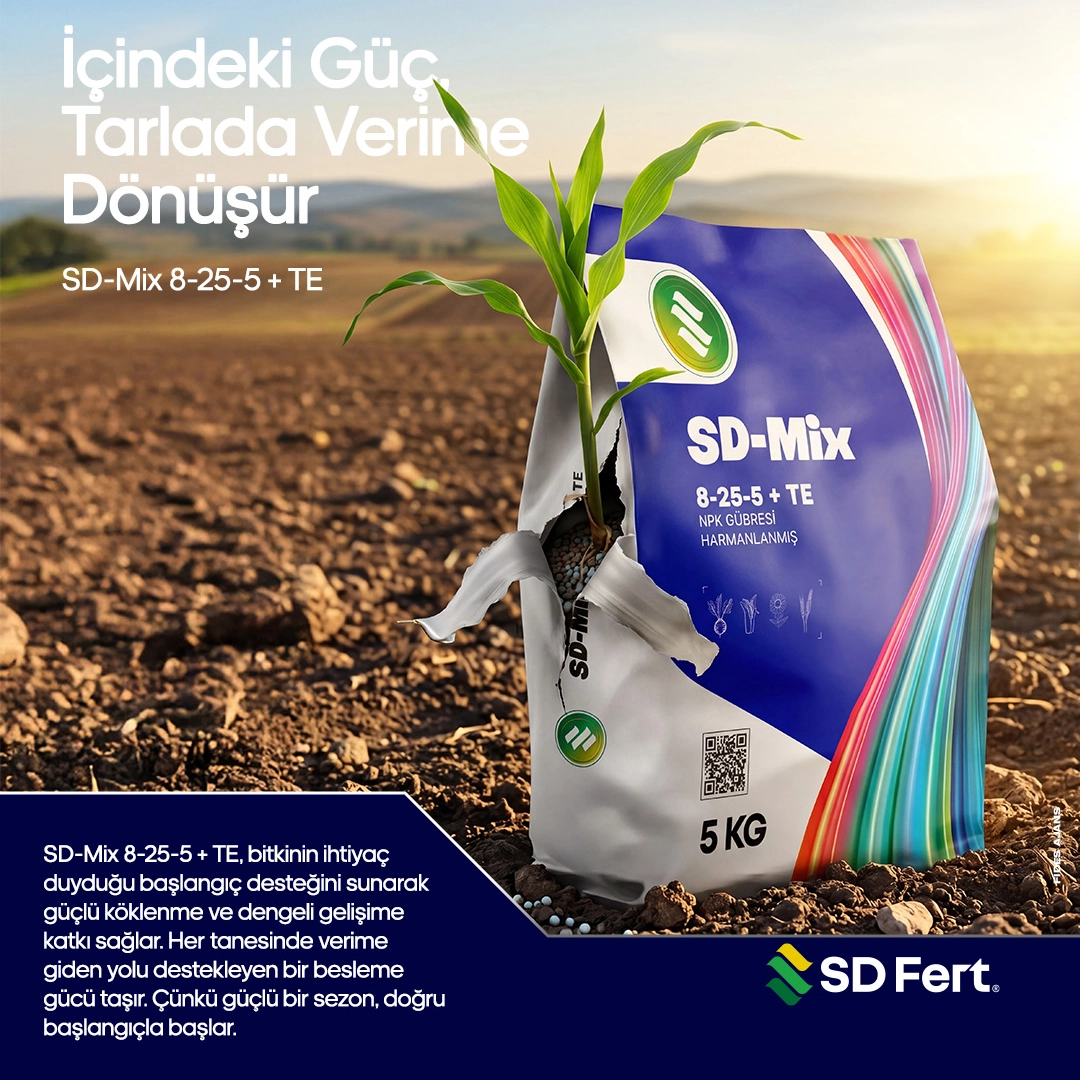
These are industrially produced fertilizers that dissolve quickly and can be directly absorbed by the plant. The most common forms are blended fertilizers containing NPK (nitrogen-phosphorus-potassium). Examples: formulations such as 20-20-20, 15-30-15.
2. Organic Fertilizers
These are obtained from naturally sourced materials. Animal manure, compost, and worm castings fall into this group. They improve soil structure and increase biological activity.
3. Organomineral Fertilizers
These are a combination of organic and chemical fertilizers. They offer advantages in terms of both rapid effect and soil health.
4. Foliar Fertilizers
These are liquid fertilizers applied by spraying onto the leaves of plants. They provide rapid absorption and are especially preferred in cases of microelement deficiencies.
5. Controlled-Release Fertilizers
These are specially coated fertilizers that release nutrients over time. They provide a long-lasting effect with a single application.
Which Fertilizer Should Be Used for Which Plant?
Vegetables: Start with phosphorus fertilizers, then balanced NPK during the growth period, and potassium-based fertilizers during fruit set.
Grains: Nitrogen and phosphorus-based fertilization is recommended.
Fruit Trees: Phosphorus is important for root development in winter, nitrogen in spring, and potassium during the fruiting period.
Vineyards and Vines: Organic + potassium-supported fertilization yields ideal results.
Why is the Correct Use of Plant Fertilizers Important?
Excessive fertilizer harms the plant and causes soil salinization.
Insufficient fertilization reduces product quality.
The timing, amount, and method of application directly affect yield.
Fertilization without soil analysis leads to both waste and environmental pollution.
Plant Nutrition Solutions from Irrigation World
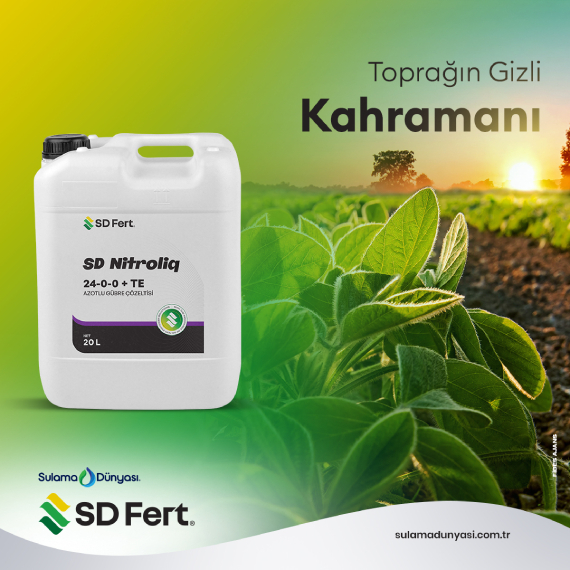
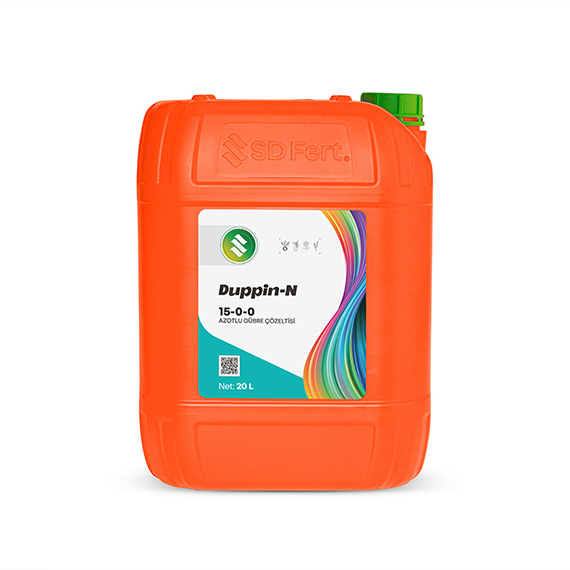
As Irrigation World, under our SD Fert brand, we offer a variety of fertilizer products that support plant growth:
Water-soluble NPK fertilizers
Microelement mixtures
Amino acid and seaweed-based biostimulants
Folar fertilizers
Organomineral solutions
We also support our farmers with technical assistance such as soil analysis, fertilization program preparation, and dosage recommendations.
Conclusion: Increase Yield and Grow Healthy Products with Plant Fertilizers
Plant fertilizers are key to increasing productivity, preventing plant diseases, and obtaining quality products. However, choosing the right fertilizer is as important as applying it on time and in the appropriate dose. With Irrigation World's expertise, get to know your soil, learn what your plant needs, and strengthen your production with the right fertilization.
You can contact us for detailed information and product consultation.